Lymph Savior Ingredients
Lymph Savior names six botanicals; a second pack graphic lists three different ones instead of the last three.
No per-capsule amount is published for any of the botanicals in either version.
Six botanicals named on the current pack
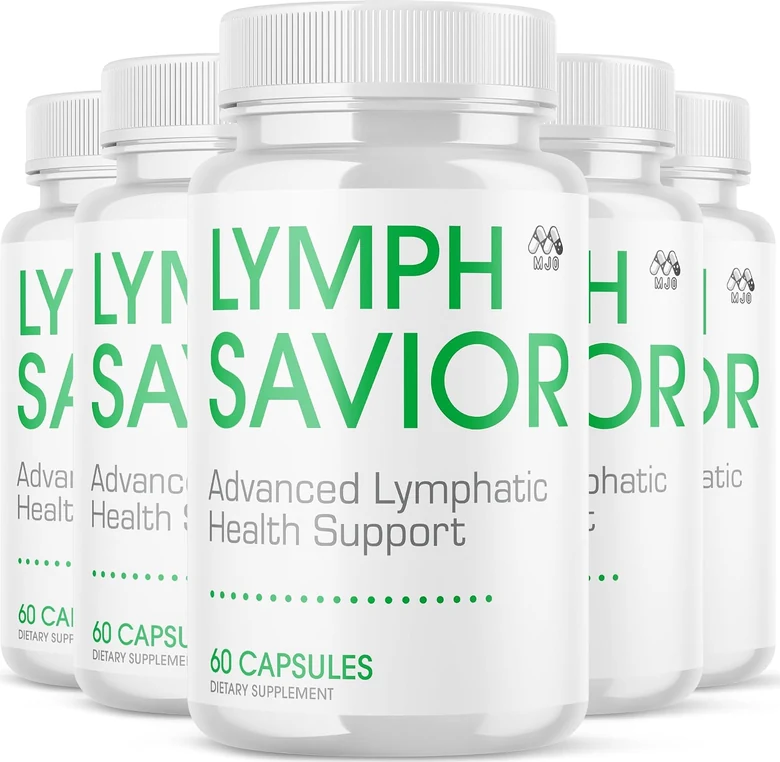
Lymph Savior names all six ingredients on its current pack: red clover extract, horse chestnut extract, burdock root, yerba mate, ginger root and echinacea. No per-capsule amount is published for any of them, which is common in this category and the honest context for your expectations. The Supplement Facts panel on the bottle you receive is the authority on what is inside.
All 6 botanicals, one by one
Red Clover Extract — Traditional, unquantified
An isoflavone-rich cleansing herb used for skin and 'blood cleansing'. Modern trials have mostly examined it for menopausal symptoms, not lymph, so its role here is traditional.
Horse Chestnut Extract — Best-studied, unquantified
The best-studied ingredient here: standardised seed extract, active aescin, trialled in people for leg heaviness and swelling of chronic venous insufficiency. Raw horse chestnut is toxic; only prepared extract is used.
Burdock Root — Traditional, unquantified
Arctium lappa, a classic cleansing root in Western and East Asian traditions. Laboratory work points to antioxidant compounds; human detox evidence is limited.
Yerba Mate — Antioxidant, unquantified
Ilex paraguariensis, a polyphenol-rich South American leaf and the antioxidant contributor. It naturally contains caffeine, and the amount per serving is not published.
Ginger Root — Circulation, unquantified
One of the better-researched culinary botanicals, with recognised roles in digestive comfort and circulation.
Echinacea — Immune, unquantified
A widely studied immune botanical, researched mostly for the common cold with mixed results. It appears here because immune and lymphatic tissue share the same vessels.
A notable discrepancy: three more botanicals on an earlier pack graphic
Manufacturer artwork is not consistent here. A second official graphic lists three further plants alongside red clover, horse chestnut and burdock root — instead of yerba mate, ginger root and echinacea. We name them rather than pretend the discrepancy does not exist.
Centella Asiatica
Gotu kola — one of the few plants here with a real, if modest, human research base for venous symptoms.
Olive Leaf
An oleuropein-rich extract common in antioxidant formulas; its place in a lymphatic blend is a traditional-use choice, not a trial-backed one.
Cleavers
Galium aparine, the classic 'lymphatic' herb of Western herbalism. The tradition is long and specific; modern human trials are essentially absent.
Botanicals worth a conversation with your doctor
Horse chestnut is worth raising if you take anticoagulants. Echinacea is usually avoided with autoimmune conditions. Yerba mate naturally contains caffeine at an unpublished amount. Read how the formula is meant to work next.