Horse Chestnut, Explained: The Best-Studied Ingredient In The Bottle
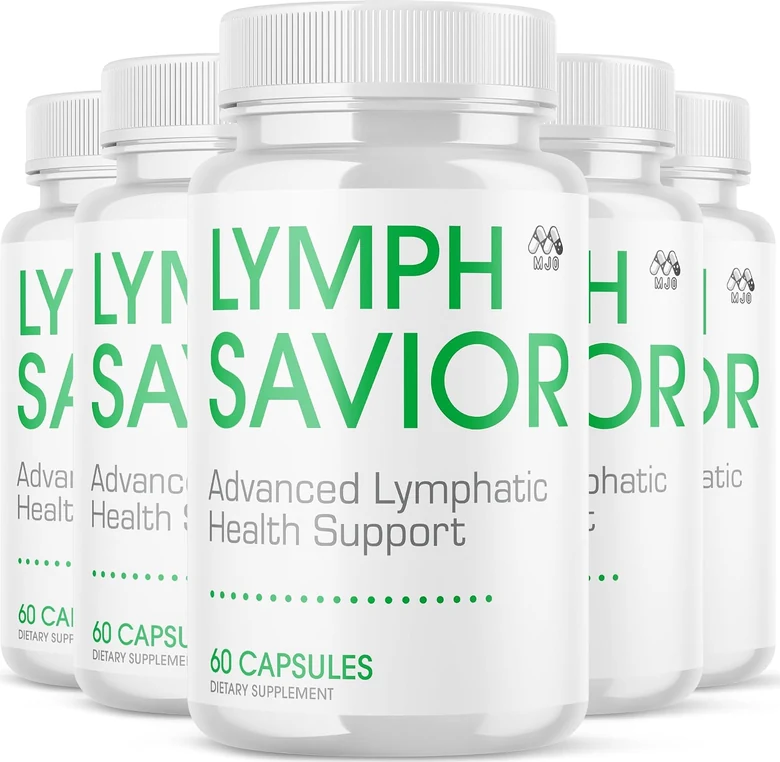
Horse Chestnut Extract, standardised to aescin, is the best-studied ingredient in Lymph Savior's formula, though its research base concerns veins specifically, not the lymphatic system.
Understanding this distinction helps set accurate expectations for what this specific ingredient can genuinely support.
What horse chestnut seed extract is
Horse chestnut seed extract is standardised to aescin, its active compound. Raw horse chestnut is toxic; only the prepared, standardised extract is used in supplements. Research has examined it specifically for chronic venous insufficiency, a condition affecting the veins in the legs, summarised in a Cochrane systematic review.
A vein story, not a lymph story
This is worth stating plainly: horse chestnut's research base concerns venous insufficiency and the leg heaviness and swelling associated with it — a circulatory-system condition, not the lymphatic system specifically. It is still the strongest human research behind any ingredient in this formula, which is why it is highlighted, but its inclusion in a 'lymphatic health' formula reflects overlapping symptoms (leg heaviness, swelling) more than a shared biological mechanism.
A safety note worth repeating
Horse chestnut is worth raising with your doctor if you take anticoagulants (blood thinners), given its traditional circulatory associations.
Applying this to Lymph Savior
Horse Chestnut Extract is one of the six botanicals in Lymph Savior's formula, genuinely the best-evidenced ingredient here for its specific claim, even though that claim concerns veins rather than lymph directly.